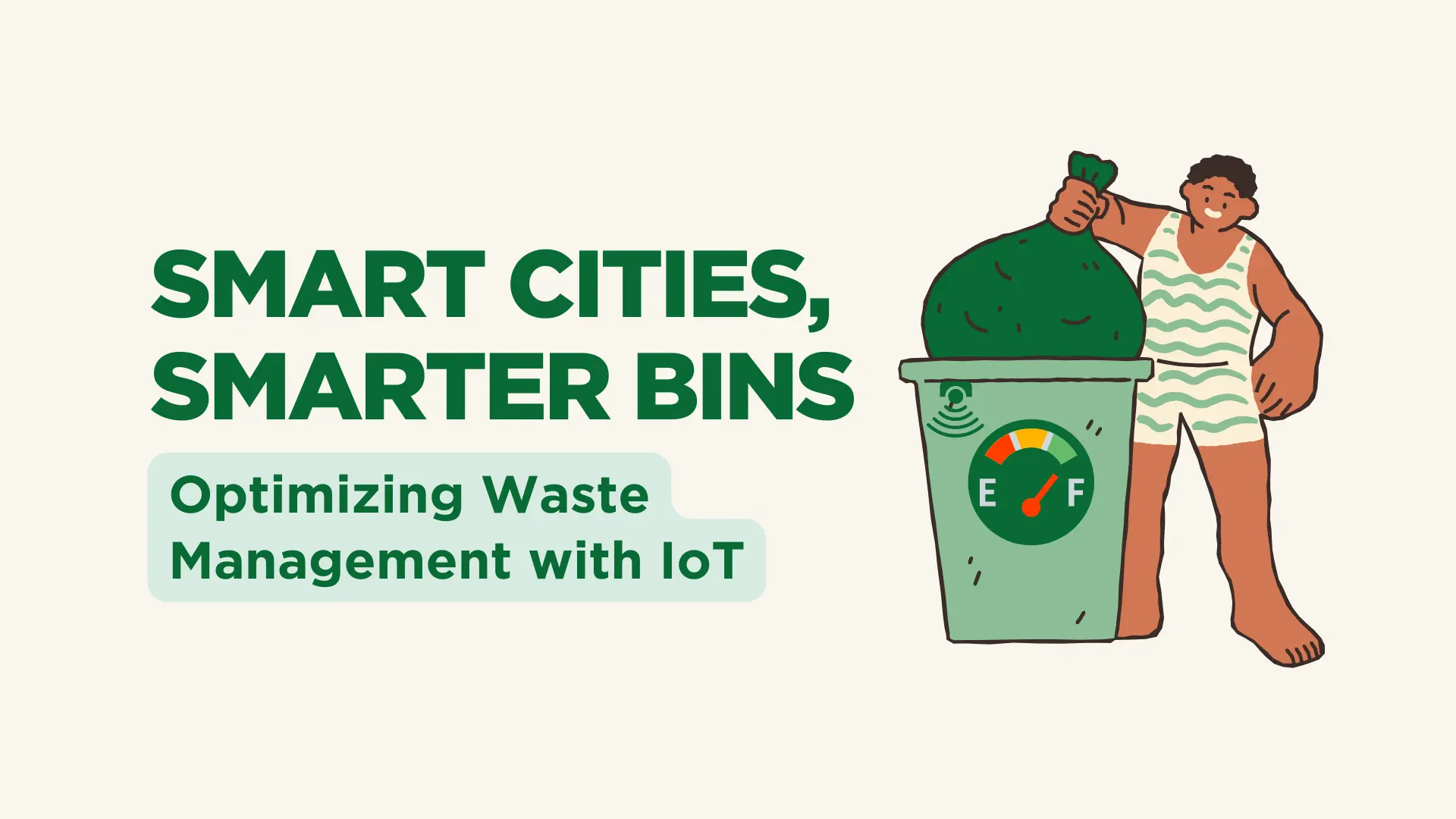
A practical IoT solution designed to improve waste management through real-time monitoring, automated interactions, and smart notification systems.
Sends notifications when the bin reaches its threshold.
Automatically opens the lid using sensor-based detection.
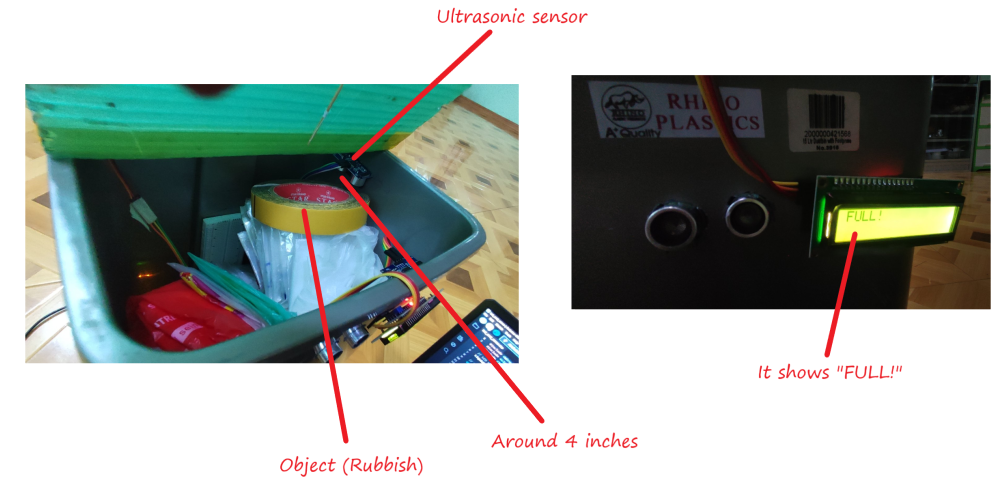
Shows current waste level directly on the LCD screen.
This project was developed to address a common urban challenge: inefficient waste collection and poor visibility into bin capacity.
The Smart Garbage Bin IoT project combines sensors, automation, and connected applications to create a more responsive waste management system. It detects garbage levels in real time, triggers alerts when the bin is nearly full, and improves user convenience with an automatic lid and LCD status display. The result is a smarter, cleaner, and more efficient approach to everyday waste handling.
The project combines core electronic components, embedded control, and IoT connectivity to deliver a complete smart-bin experience.

Used to connect sensors, controllers, and modules without soldering, making the prototype easy to build, test, and modify.
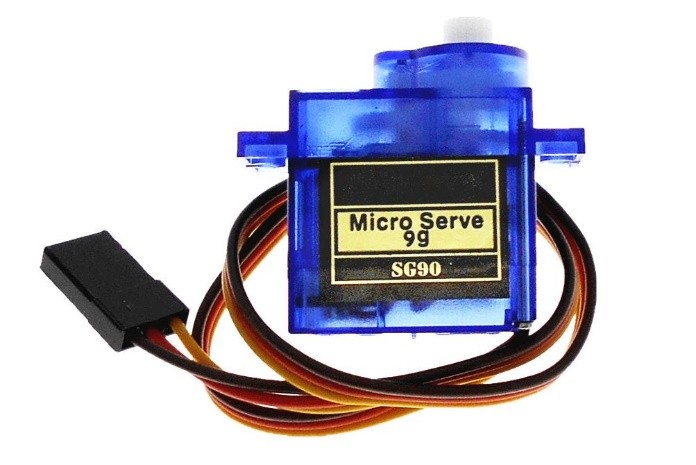
Controls the lid-opening mechanism, allowing the bin to respond automatically to nearby motion.
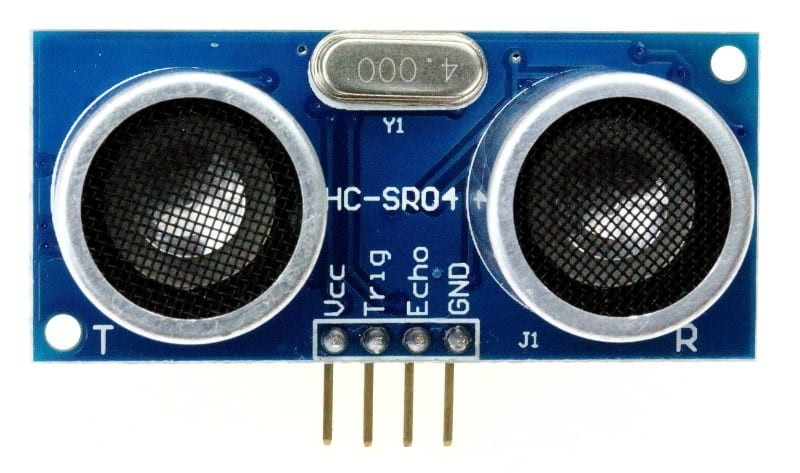
Measures garbage level and detects object distance, helping prevent overflow and enable touchless operation.

Acts as the main controller for sensor input, logic processing, and component coordination throughout the system.

Provides a structured and solderless platform for assembling and testing electronic circuits during development.

Enables remote monitoring, real-time notifications, and communication between the device and user-facing applications.
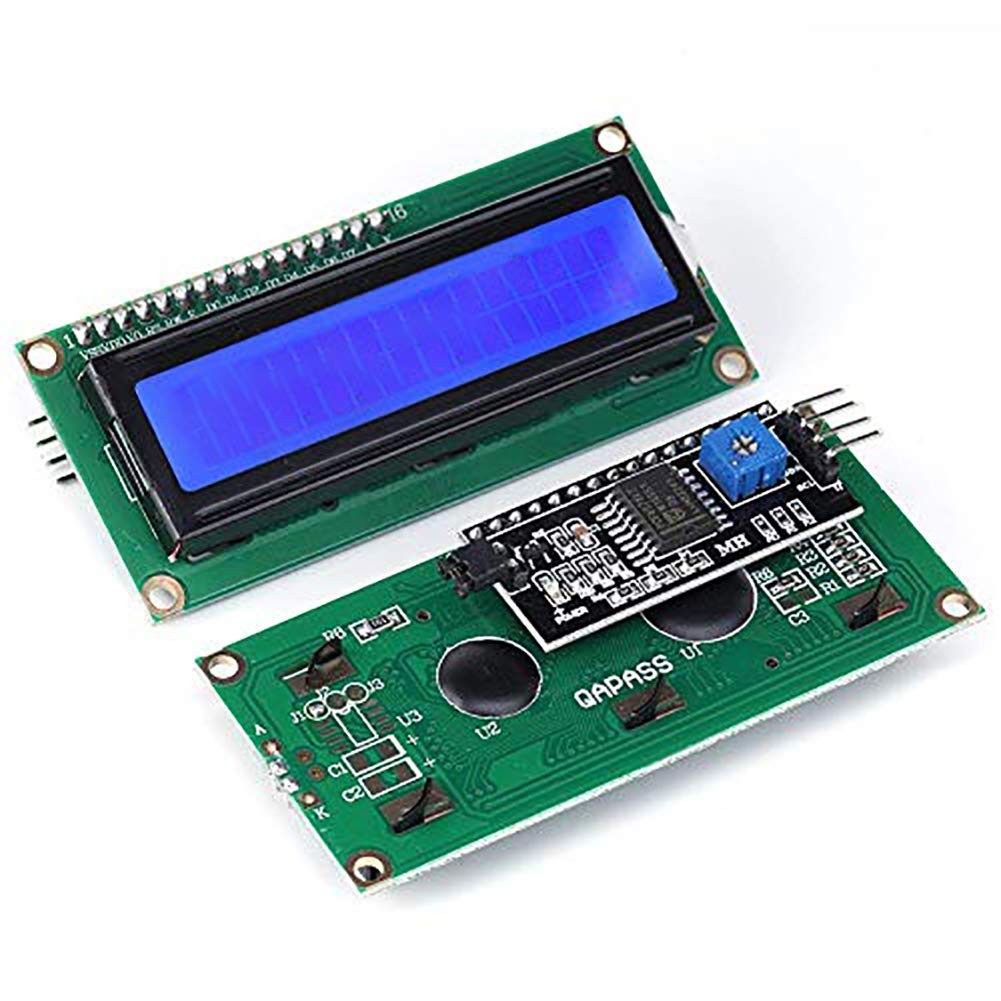
Displays live waste-level status clearly while reducing wiring complexity through the I2C interface.
The project was developed in two main functional modules: a real-time notification system and an automated user-interaction system.
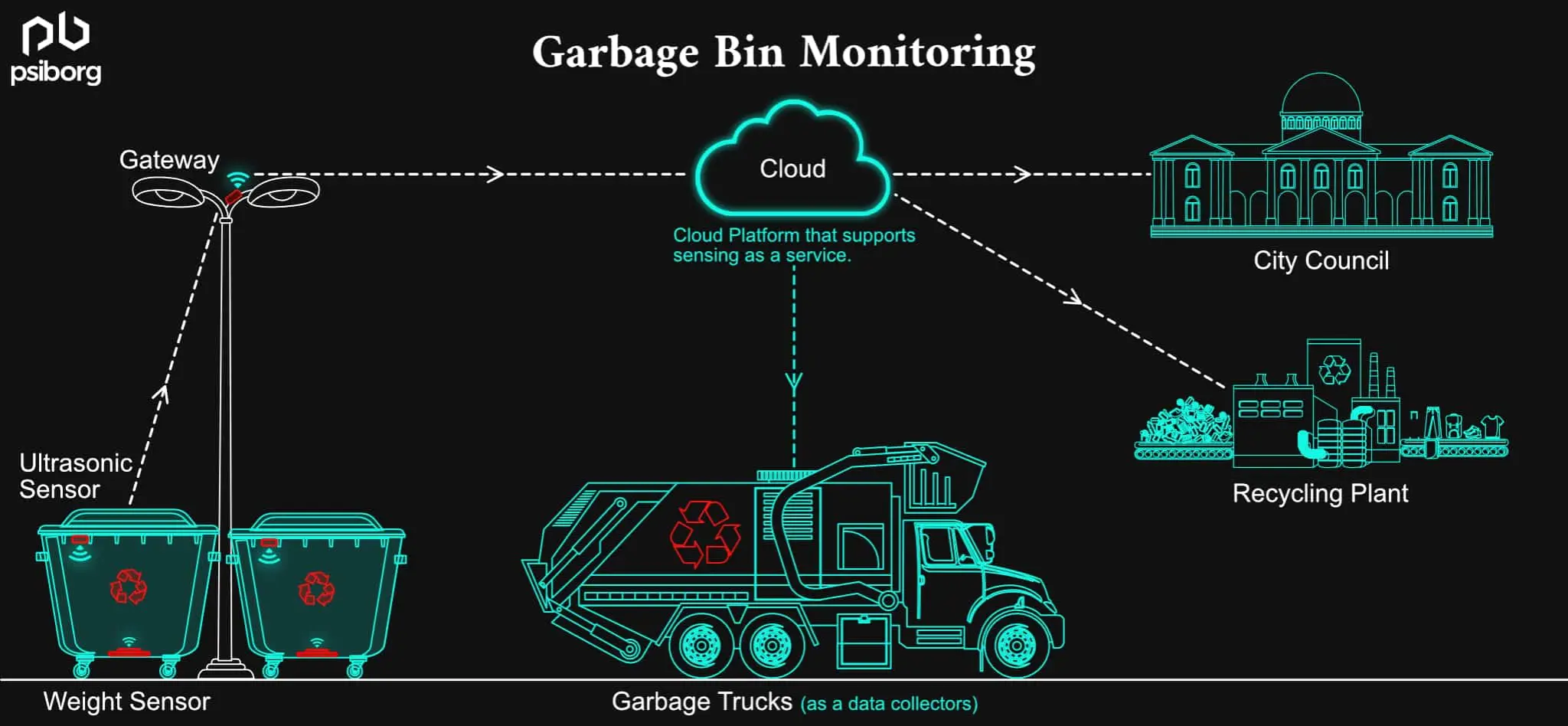
The first module focused on sending alerts when the bin becomes full. This feature was built using the ultrasonic sensor, Wemos D1 R1 microcontroller, built-in Wi-Fi functionality, and the Blynk IoT platform.


The ultrasonic sensor continuously monitors the bin’s internal level. Once the waste level reaches the defined threshold, the system sends the data to Blynk, which then triggers push and email notifications.
When the garbage reaches approximately 4 inches from the sensor, the system identifies the bin as full and automatically sends warnings to connected users.
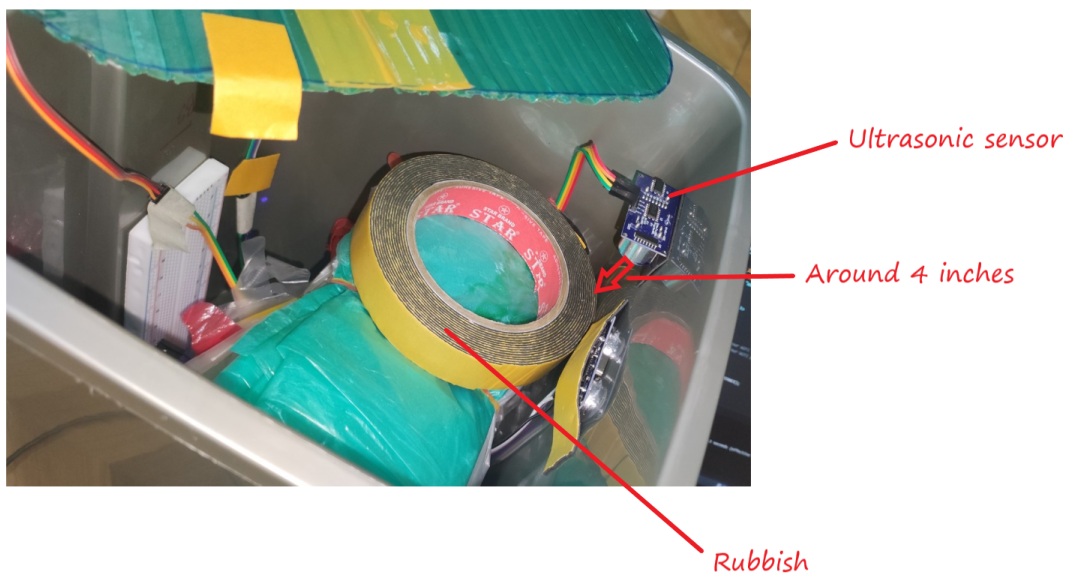
Inside the Blynk environment, events such as bin_full were configured to ensure timely and reliable alerts for users or waste management teams.


This module improves responsiveness by reducing the chance of unnoticed overflow and helps support better waste collection planning.
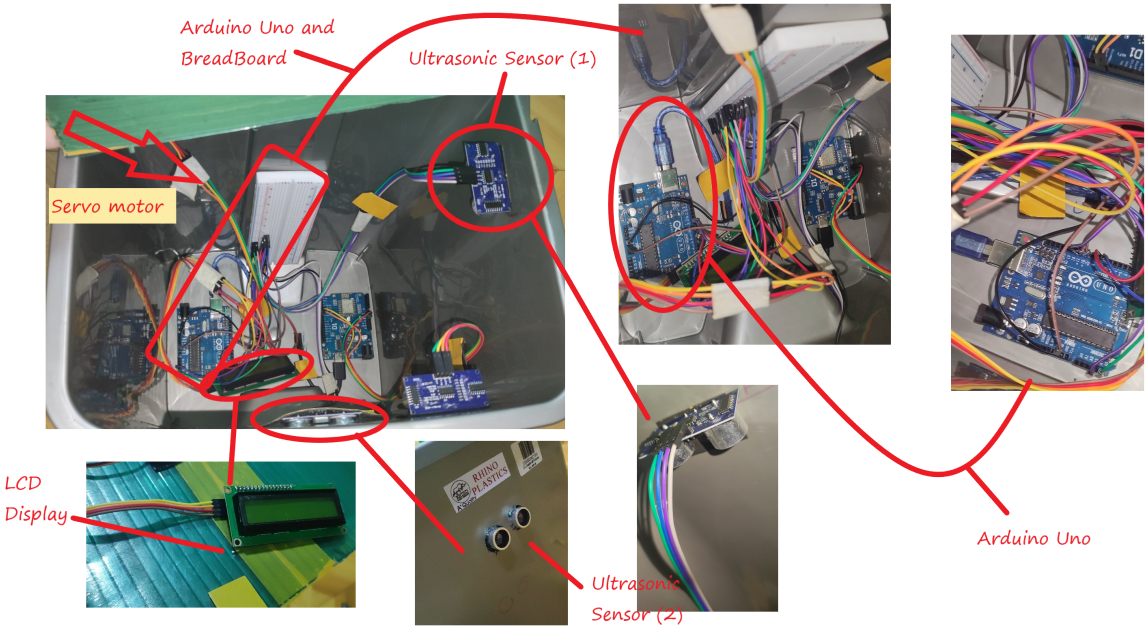
The second module was built to improve usability through touchless access and visible status updates.

A servo motor connected through a simple mechanical linkage opens the lid when nearby movement is detected. At the same time, the LCD updates users with the current status of the bin.
The ultrasonic system categorizes waste level into three simple states: Empty, Middle, and Full, making the current condition easy to understand at a glance.

The LCD gives immediate visual feedback, helping users and operators quickly identify whether the bin is empty, partially filled, or full.